Static Website:
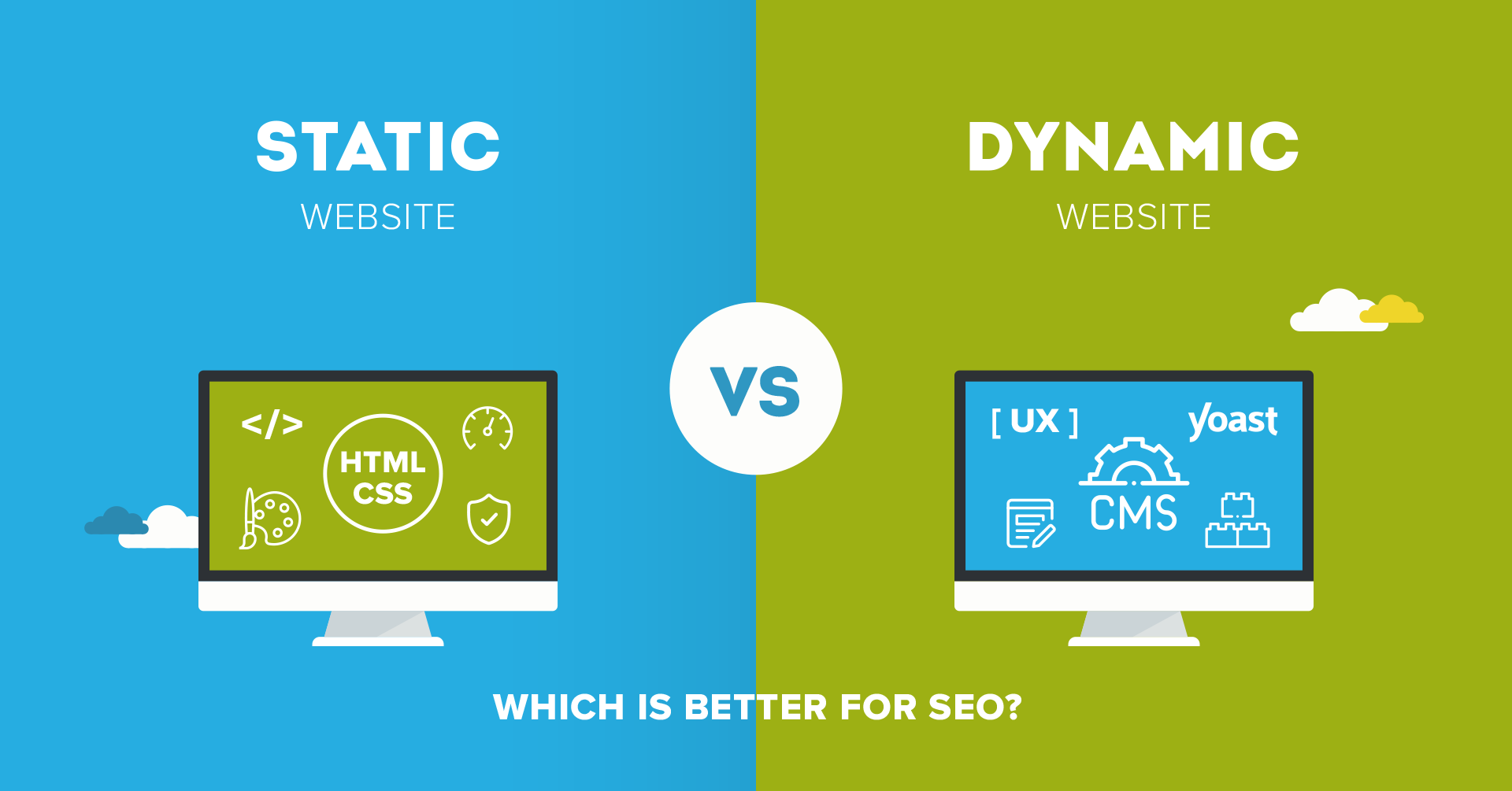
A static website is one that has non-changing content; that is, the information on every page is the same for every visitor. These pages are usually made using HTML, CSS, and sometimes JavaScript.
Key Characteristics:
Fixed Content: The content of each webpage does not change unless the file itself is hand-updated by the owner of the website.
No Server-Side Processing: Static websites are served straight from the server as is. There is no interaction with a database or server-side scripting.
Speed: Static sites because they are pre-built don't have server-side processing and hence tends to load faster.
Simple to Build: It's simple to build, using basic HTML and CSS, without the need of complex backend technologies.
Low Interaction: Static websites typically do not support advanced features such as user logins, form submissions, or content customization.
Use:
Personal portfolios
Business landing pages
Blogs (simple ones without interactive features)
Small informational websites
Dynamic Website:
A dynamic website is one that generates content at runtime based upon user input or any other form of input. These websites interact with databases and/or use server-side scripts such as PHP, Python, or Node.js, among others, to generate content at runtime.
Key Characteristics:
Dynamic Content: The content is determined by some variable user behavior, the session data, or a database.
Example: A visitor might get different content every time that person visits based on their location, preferences, or history of interaction.
Server-Side Processing: Most dynamic sites use server-side programming-like PHP, Python, or Ruby-serve the data retrieved from a database, which then generates the HTML content sent to a user's browser.
More complex features: Account management, comments, search functionality, or e-commerce features are all optional with dynamic sites.
CMS: WordPress, Joomla, or Drupal-the most typical systems for building dynamic sites, allowing for content management by non-technical people.
Use :
E-commerce sites (e.g., Amazon, eBay)
Social media platforms (e.g., Facebook, Twitter)
Content-heavy websites (e.g., news outlets, blogs with comments)
Online services (e.g., banking apps, email clients)
Summary Comparison:
| Feature | Static Website | Dynamic Website | ||
|---|---|---|---|---|
Content | Fixed and unchanging | Dynamic, can change based on user input/data | ||
Complexity | Simple, easy to build and maintain | More complex, requires backend programming and database | ||
Speed | Faster loading times | Slower loading times (due to server-side processing) | ||
Interactivity | Limited (basic interactions via JavaScript) | High (e.g., user accounts, forms, search) | ||
Cost | Cheaper to host and maintain | More expensive to host and maintain | ||
Security | Generally more secure (fewer attack vectors) | Can have security vulnerabilities if not properly configured | ||
| Business homepage, portfolio site | E-commerce sites, social networks, blogs with user-generated content. |


No comments:
Post a Comment