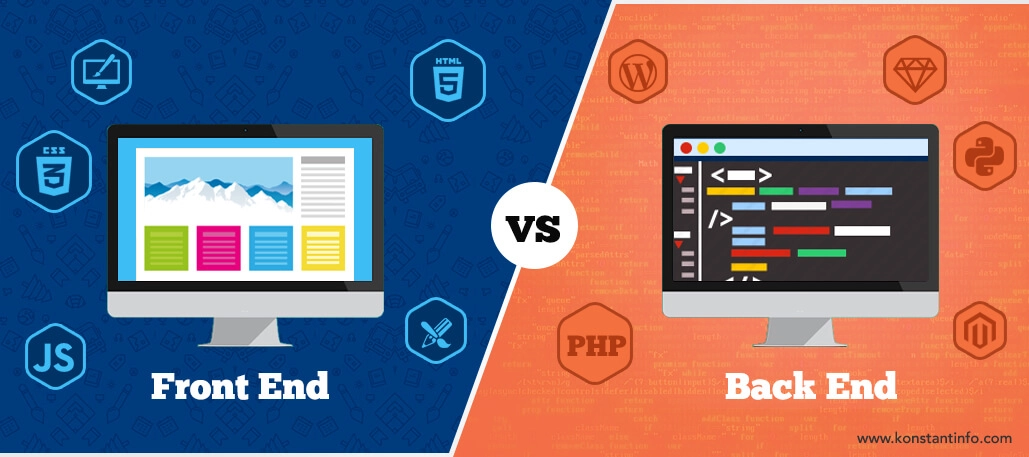
1. Know the Needs:
- Client or Stakeholder Input: Get all necessary details about the project. Understand the target audience, purpose, and desired functionalities.
- User Experience (UX) Research: Study user behavior, preferences, and potential challenges. Use personas and user journeys to guide decisions.
2. Sketch Your Ideas:
- Pen and Paper: Begin with rough sketches to map out basic layouts and structures.
- Wireframing Tools: Use tools like Figma, Sketch, Adobe XD, or Balsamiq for more precise wireframes.
3. Choose the Right Tools:
- Static Prototypes: Use Adobe XD, Figma, Sketch, or InVision for designs that showcase layout and visuals.
- Interactive Prototypes: Use tools like Proto.io, Axure RP, or Framer to add click-through functionality.
4. Design the User Interface (UI):
- Visual Design: Select a consistent color scheme, typography, and iconography based on the brand guidelines.
- Grid and Layout: Use grid systems to maintain alignment and responsiveness.
5. Create Interactive Elements:
- Clickable Buttons: Simulate navigation between pages.
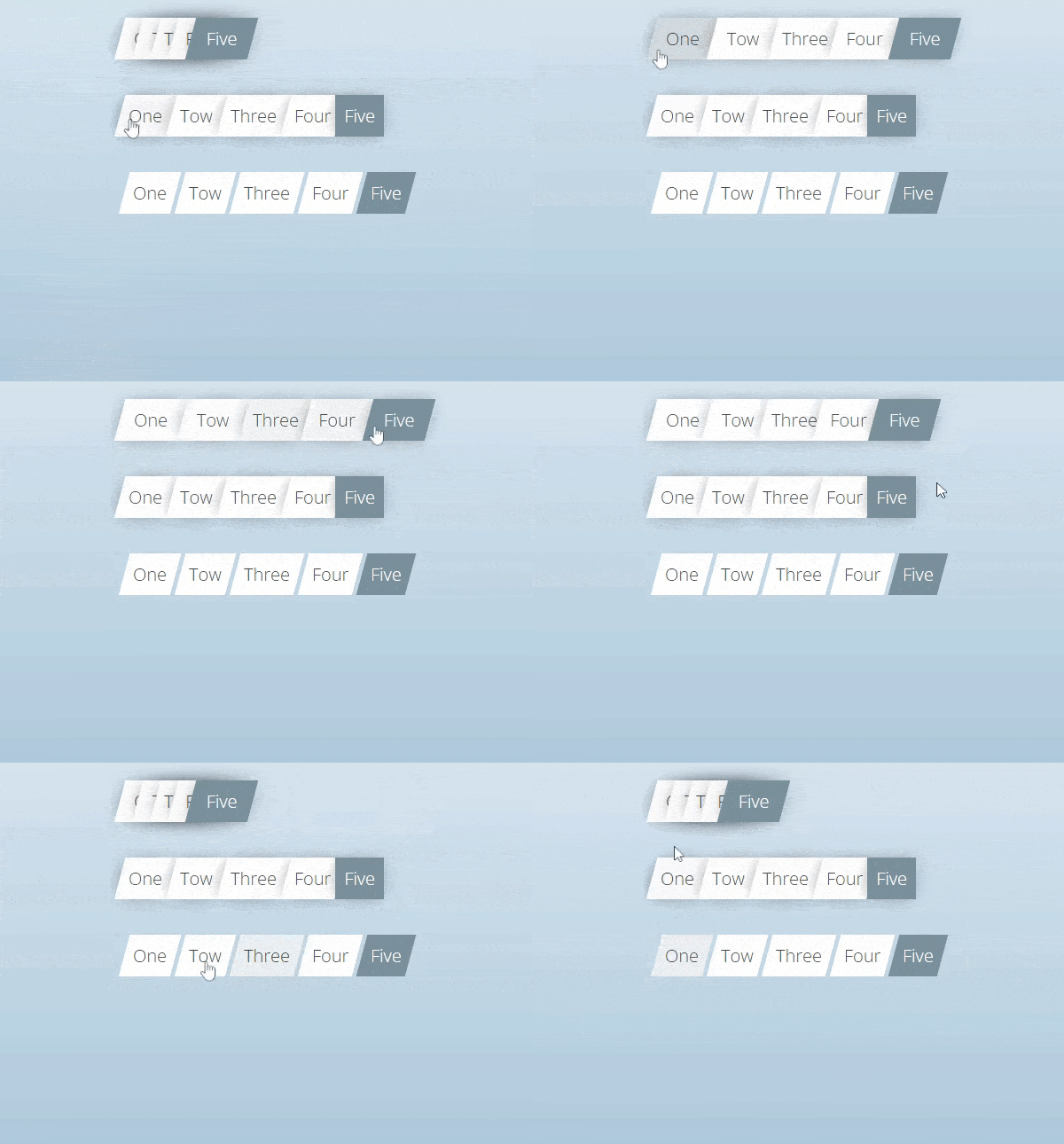
- Hover States: Highlight interactive areas for better user experience.
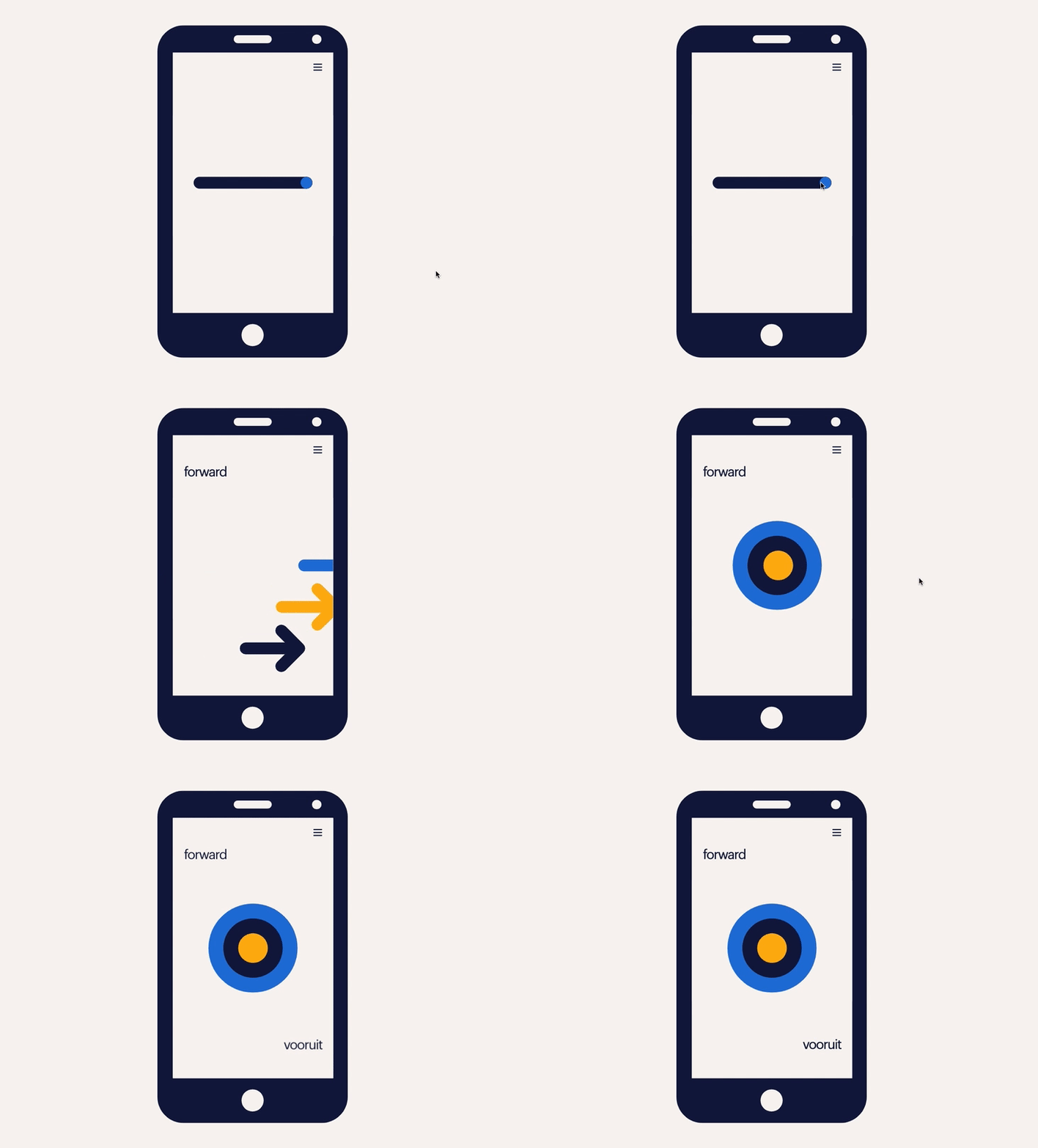
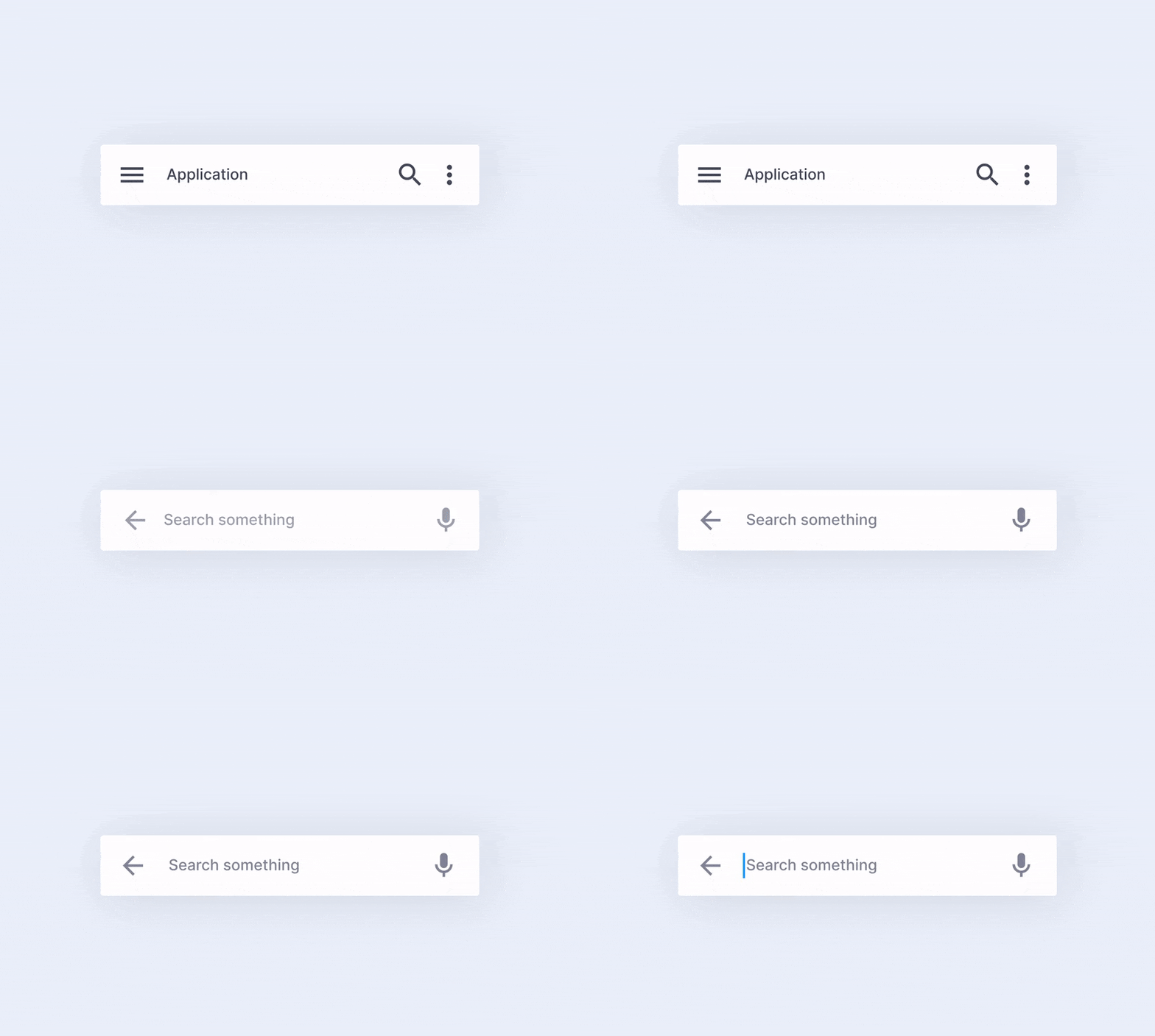
- Animations and Transitions: Showcase the behavior of elements like modals, sliders, or dropdown menus.
6. Test and Refine:
- User Testing: Gather feedback from stakeholders or a test group.
- Refine Designs: Based on feedback, make necessary adjustments to improve usability and aesthetics.
7. Document and Share:
- Export Files: Export the prototype in formats suitable for developers (e.g., specs, assets).
- Collaborate: Share the prototype with your team or stakeholders using tools like Figma’s live sharing or InVision.
8. Hand Off to Developers:
- Style Guides: Provide a style guide or design system to ensure consistency.
- Annotations: Include notes about functionality, behavior, or other implementation details.